Skip to content

Cookies 🍪

This site uses cookies that need consent.

Learn more

Zur Powderguide-Startseite Zur Powderguide-Startseite
WeatherBlogs

WeatherBlog 18 2023/24 | Accompanying blog to the alarm

Traffic jam in the south, summer in the north

03/27/2024
Lea Hartl
Our colleague Orakel has already announced it: The südstau is back and the next few days will be turbulent. The traditional Easter snowfall will only fall as snow at very high altitudes on the main ridge and south of it. Otherwise there will be rain and foehn winds with very high temperatures.

Current situation and outlook

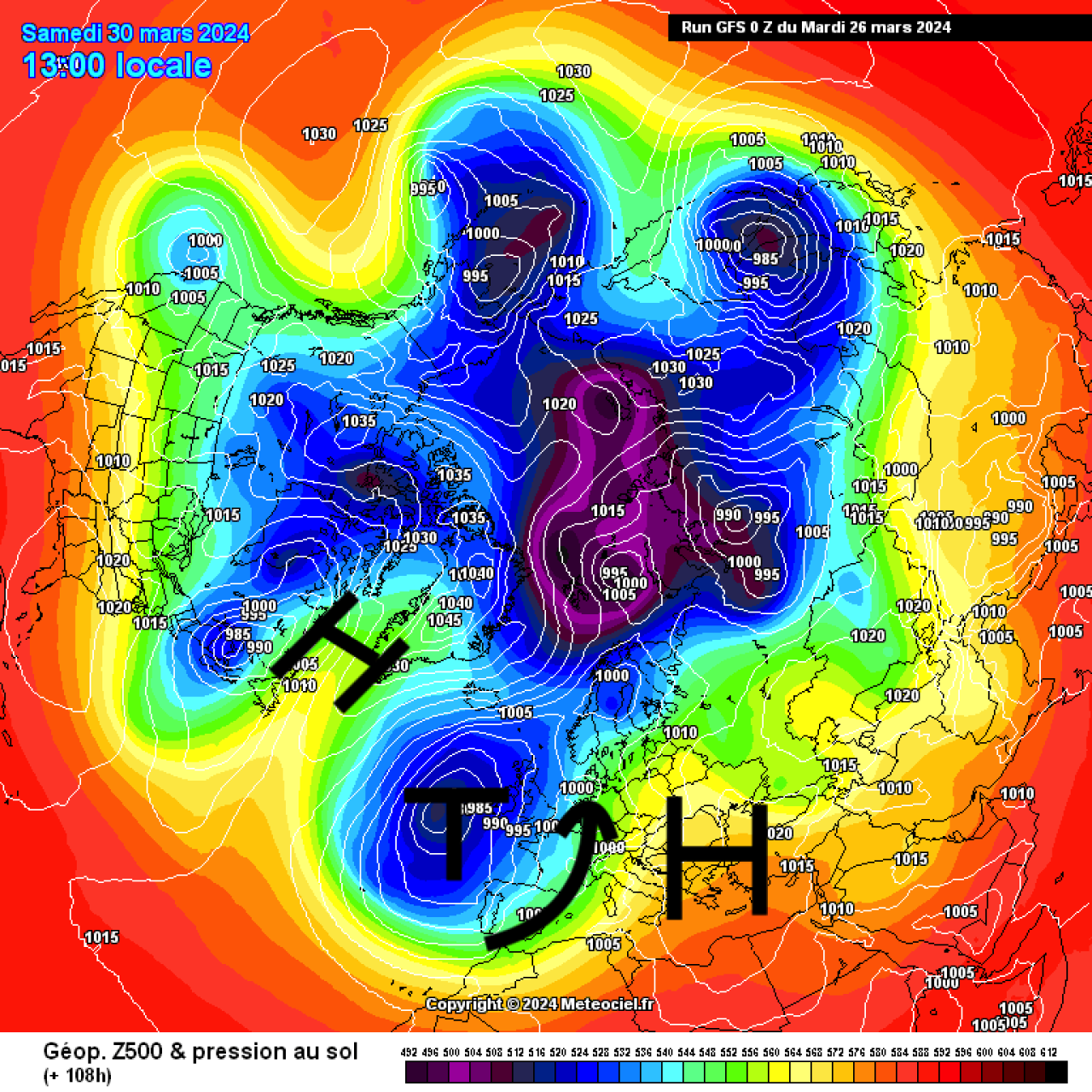
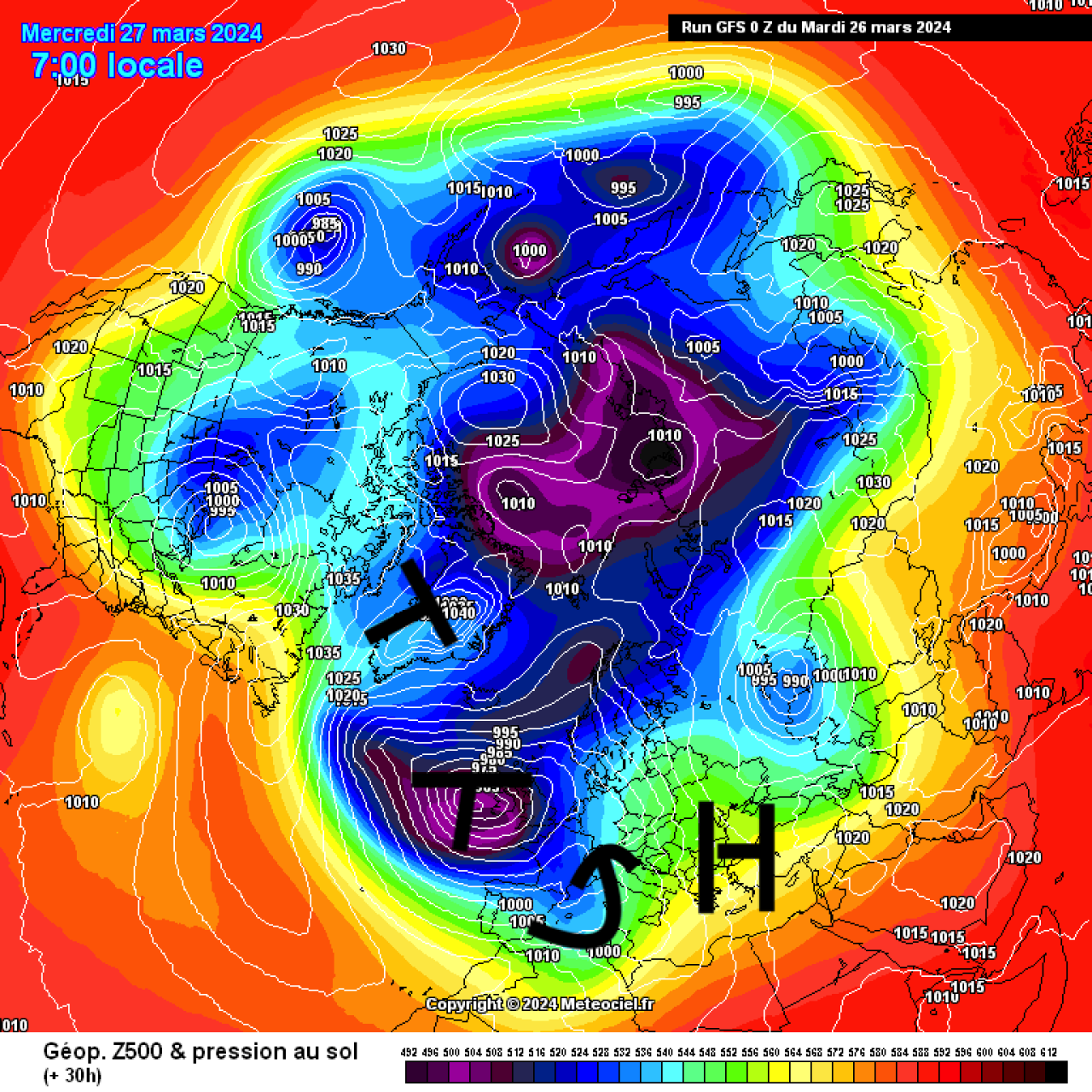
The driving force behind the current weather is a strong Atlantic trough with a core slightly west of England. Upstream, the trough is flanked by a Greenland high, downstream by high pressure over central and eastern Europe. Between the Atlantic trough and the high pressure in the east, the Alps lie in a strong south-westerly current with correspondingly pronounced pressure differences between the south and the north. The result: dust cloudiness and precipitation in the south, foehn in the north. Over the next few days, we will be repeatedly affected by disturbances that are embedded in the large-scale current. The first front will pass through today (Wednesday), the second round is expected to follow on Thursday afternoon, then the Föhn will continue as usual. Details can be found in the current alert and a possible follow-up alert for the weekend. The big uncertainty factor, especially for the precipitation at the weekend, will - once again - be the snow line.

The further development in the crystal ball is still quite uncertain. After a very warm weekend (zero degree limit in the current runs beyond 3000m - see also the corresponding PowderGuide weather maps), temperatures are likely to return to a more normal level with a cold front on Monday or Tuesday. None of this is reliable and there is currently no planning certainty for multi-day tours. For the Easter vacations, it is advisable to develop at least a Plan B and a Plan C in addition to a Plan A...
WeatherBlogs
presented by

Early April weather

The temperatures have been well ahead of the season for some time now (= warmer than the climatological average) and the april weather character in March is not surprising. Nevertheless, the WeatherBlog briefly winced last weekend when there was lightning outside during a shower. In itself, last weekend was comparatively wintry, with some snow down to below 1000m due to a sprinkling of cold air from the northwest. However, the air in the lower layers of the atmosphere was quite warm when the colder air arrived at altitude, resulting in unstable stratification (warm at the bottom, cold at the top). This is rare in winter, as the ground and the air near the ground cannot heat up due to the low solar radiation. When cold air masses flow in at altitude, they usually push onto equally cold or even colder air on the ground and the stratification remains stable (cold at the bottom, cold or even warmer at the top -> inversion). Classically changeable April weather is typical when the air at ground level is already relatively warm due to the seasonally stronger solar radiation, but cold polar air still occasionally flows into the mid-latitudes at high altitudes. Last weekend, other thunderstorm ingredients (moisture, lifting processes) were also sufficiently present, so that the late winter snowfall was accompanied by thunder and lightning here and there.

Miscellaneous: Very wet winter half-year in Germany, melting glaciers in Austria

The past winter half-year (October-March) was the wettest in Germany since measurements began in 1881. The DWD explains this in more detail here. The very low groundwater levels have largely recovered and the multi-year, pronounced drought period in Germany has ended in most regions. Only in parts of Thuringia and Saxony-Anhalt are deeper soil layers still far too dry.

On the occasion of the newly established "World Glacier Day" (from next year always on March 21) Geosphere Austria draws our attention to the drastic melting of the glaciers in the Hohe Tauern. The Pasterze and its neighbors are in a similar situation to the rest of the glaciers in Austria and the Alpine region - they are disappearing and rapidly losing area and volume. We are keeping our fingers crossed that the current congestion situation will at least provide a good supply of snow at altitude. The more snow cover the glaciers have at the start of summer, the better the ice is protected from the summer slush. And of course, more snow is also desirable for the alpine touring season!

Photo gallery

Note

PowderGuide.com is nonprofit-making, so we are glad about any support. If you like to improve our DeepL translation backend, feel free to write an email to the editors with your suggestions for better understandings. Thanks a lot in advance!

Show original (German)

Related articles

Comments

WeatherBlogs
presented by