Articles on the topic
Frank Techel
-
mountain knowledge
World of Science | Frank Techel (SLF) on people and models
02/26/2025 • Lea HartlFrank Techel is an avalanche forecaster and researcher at the SLF. He deals with the integration of models into operational avalanche forecasting and believes that there is great potential to improve avalanche warning when humans and machines work together. In the interview, he explains how "AI" supports the human SLF team in producing the bulletin and where the limits of the models lie. -
interviews
PowderPeople | Frank Techel, Avalanche Warden at the SLF
02/02/2021 • Christiane EggertIn his recently completed dissertation, SLF avalanche forecaster Frank Techel investigated how well avalanche bulletins reflect the actual danger situation and whether they are consistent across different regions and areas of responsibility of individual warning services. In this interview, he explains more about his work and his unusual career path. -
interviews
Interview | Lukas Ruetz about IFALP
10/12/2020 • Eliane Droemer The Initiative for a Uniform Avalanche Forecast throughout the Alps - IFALP - would like to see situation reports no longer stop at national borders. PG columnist Lukas Ruetz is committed to IFALP and we took the opportunity to find out more about how IFALP came about and what the initiators want for the future of avalanche warning in the Alps. An interview by Eliane Droemer:
-
mountain knowledge
World of Science | ISSW Part 2 - Regional avalanche forecasting
01/04/2017 • Lea Hartl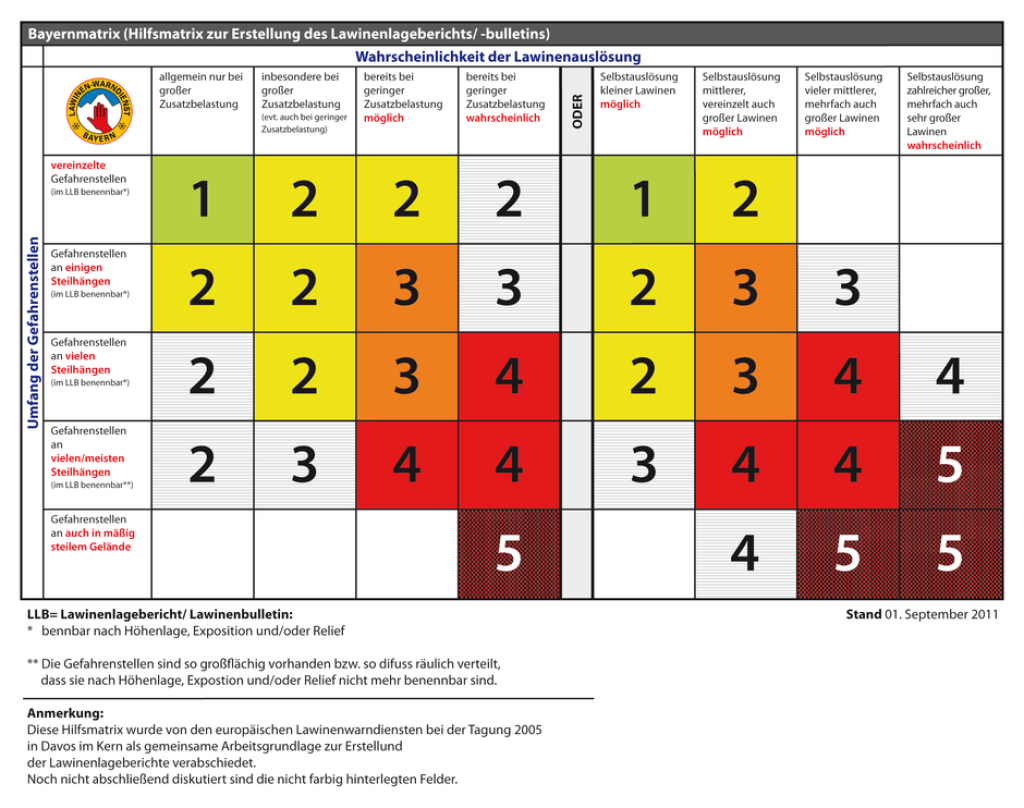 We continue with the International Snow Science Workshop 2016 and the studies presented there: Having already dealt with some topics in Part 1 that have more to do with the nature of snow and avalanches, we now turn our attention to people and how they deal with avalanches. Avalanche reports and the authorities that issue them are extremely important for us as winter sports enthusiasts, but their job is not always easy. On the one hand, of course, because the snow doesn't always do what you might expect, and on the other because very complex issues have to be communicated as simply and intuitively as possible. What are the current issues here and how do you approach them?